
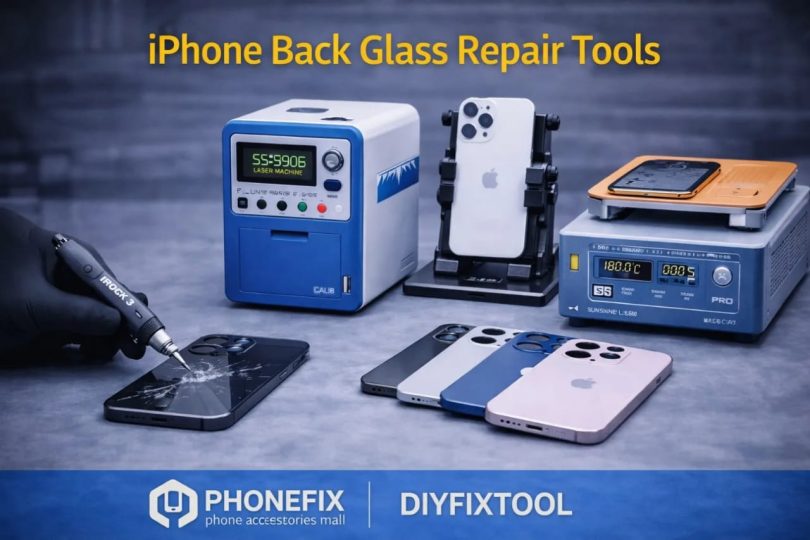

Replacing the back glass of an iPhone is one of the most delicate and precise tasks in professional phone repair. Even experienced technicians face challenges that can affect efficiency and results. For professional repair shops, having the right cell phone repair tools is essential to handle these challenges with confidence. Tools such as the laser machine for iPhone back glass removal can make the process faster, safer, and more accurate.
Professional repair shops often handle high volumes of iPhones daily. Without the proper tools, tasks like removing a cracked back glass or cleaning adhesive residues can take longer and risk slight damage. However, when approached correctly, these challenges present an opportunity to enhance precision and customer satisfaction. PHONEFIX provides reliable tools that allow technicians to achieve consistent, professional results while maintaining the integrity of the device.
Challenges Technicians Face and How to Solve Them
Even skilled technicians encounter specific problems during iPhone back glass replacement. Understanding these challenges and applying the right solutions is key:
1. Cracked or Fragile Glass
Problem: Removing shattered or fragile back glass can easily cause additional cracks or shards to spread.
Solution: Using a fixture for iPhone back glass removal stabilizes the phone during the process, allowing controlled pressure and reducing the risk of further damage.
2. Adhesive Residue
Problem: Old adhesive can stick stubbornly, making it difficult to remove the back glass cleanly.
Solution: A laser machine for iPhone back glass removal gently heats the adhesive evenly, softening it for safe removal. This ensures the surface is clean and ready for the new back cover.
3. Misalignment During Replacement
Problem: Improper alignment can lead to gaps, loose back covers, or uneven adhesion.
Solution: Using alignment fixtures ensures that the new iPhone back cover is placed precisely, providing a flush, secure fit that looks professional.
4. Risk of Damaging Internal Components
Problem: Excessive pressure or improper technique can affect internal components like the camera or battery.
Solution: Professional tools like fixtures and laser machines allow precise handling, minimizing contact with delicate parts while performing the replacement safely.
By addressing these challenges with the right tools, technicians improve efficiency, reduce repair time, and maintain device quality.
Key Professional Tools and Their Benefits
Fixture for iPhone Back Glass Removal
A fixture secures the phone firmly during back glass removal, preventing slips and accidental pressure points. It allows technicians to work efficiently and reduces the risk of additional cracks, improving repair quality and customer satisfaction.
Laser Machine for iPhone Back Glass Removal
Laser machines heat the adhesive evenly and precisely, making the glass removal smoother and safer. Compared to manual heating methods, this reduces the risk of warping, cracking, or uneven surfaces.
Precision Tools & Tweezers
High-quality screwdrivers and tweezers help handle tiny screws and adhesive residues accurately. Proper tools reduce mistakes, save time, and prevent accidental damage to delicate components.
Adhesive Strips & Glue
Specialized adhesive solutions ensure the new back glass is securely fixed. Using professional-grade adhesives improves durability, prevents future detachment, and ensures a professional finish.
By incorporating these tools into daily workflows, repair shops can achieve reliable, repeatable results that meet industry standards.
Best Practices for Professional Repair Shops
To maximize efficiency and quality during iPhone back glass replacement, professional technicians should follow these best practices:
- Always Stabilize the Device: Use fixtures or clamps to prevent movement while handling fragile glass.
- Apply Controlled Heat: Utilize laser machines or precision heating to soften adhesive evenly and avoid warping.
- Work in a Clean, Organized Environment: A clutter-free workstation prevents contamination and accidental damage.
- Inspect Tools Regularly: Ensure laser machines, fixtures, and hand tools are calibrated and functioning correctly.
- Protect Internal Components: Keep cameras, batteries, and cables shielded during removal to maintain device integrity.
Following these practices helps repair shops minimize errors, improve repair speed, and maintain consistent, professional results.
Conclusion
Replacing iPhone back glass professionally requires skill, precision, and the right tools. Common challenges like fragile glass, adhesive residue, and misalignment can be effectively managed with professional-grade cell phone repair tools. Tools such as the fixture for iPhone back glass and laser machine for iPhone back glass removal not only solve these problems but also enhance efficiency, accuracy, and overall repair quality.
Investing in high-quality tools like those offered by PHONEFIX allows repair shops to perform consistent, reliable replacements while maintaining device integrity. By applying best practices and using the right equipment, professional technicians can deliver flawless repairs, satisfy customers, and protect their reputation in the competitive phone repair industry.