
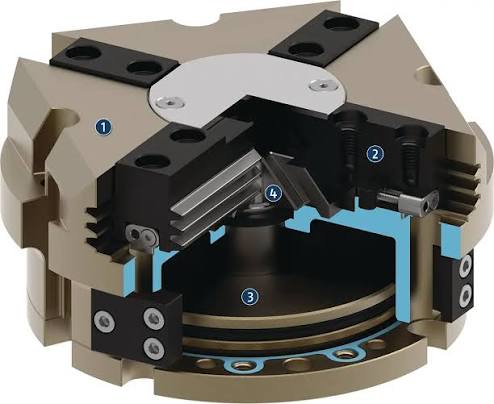

Automation has changed the way products are made, packaged, and assembled, and much of that transformation depends on one small but mighty component: the gripper. Among the many gripping solutions available today, Schunk centric grippers stand out for their precision, reliability, and adaptability across industries. Whether it’s handling a fragile electronic part or lifting a heavy metal component, these grippers ensure consistent, centered gripping every time.
In this blog, we’ll walk through what makes centric grippers special, the different types available, their real-world applications, and how to choose the right one for your needs. By the end, you’ll have a clear, practical understanding of this essential automation technology.
Understanding the Role of Centric Grippers in Modern Automation
Centric grippers are designed to hold objects precisely at their center point, regardless of size variations. This ensures consistent positioning, which is critical for repetitive industrial tasks that demand accuracy and speed.
What Makes a Gripper “Centric”?
A centric gripper moves its jaws symmetrically toward the center axis. This means the object being gripped always aligns with the same reference point, improving accuracy in pick-and-place operations significantly.
Why Precision Matters in Industrial Handling
Even a tiny misalignment can cause defects, damage, or production delays. Precise centering reduces errors, minimizes waste, and helps maintain consistent quality across thousands of repeated automation cycles.
Where Centric Grippers Fit in the Automation Chain
These grippers are typically mounted on robotic arms or automated systems, acting as the “hands” that interact directly with parts during assembly, packaging, inspection, or material handling processes.
Key Features That Define High-Performance Centric Gripping Systems
Modern gripping systems combine mechanical strength with smart engineering. Their features determine how well they perform under different loads, speeds, and environmental conditions in demanding production settings.
Self-Centering Mechanism
This core feature ensures that regardless of part size, the object stays aligned to the gripper’s center. It reduces the need for additional positioning equipment or manual adjustments.
Durability and Load Capacity
Industrial-grade grippers are built to withstand repeated cycles without losing accuracy. Materials and construction quality directly affect how much weight and stress the gripper can handle daily.
Sensor Integration and Smart Feedback
Many modern grippers include sensors that detect part presence, position, or slippage. This feedback helps automation systems respond in real time, improving safety and process reliability.
Exploring the Different Types of Grippers Used Across Industries
Not all grippers work the same way. Different mechanisms suit different applications, and understanding these types helps businesses select the most efficient solution for their specific handling needs.
2 Jaw Parallel Gripper
The 2 jaw parallel gripper moves two opposing jaws simultaneously and evenly. It’s widely used for handling symmetrical parts, offering strong, stable, and centered gripping for consistent results.
Rotary Pneumatic Gripper
A rotary pneumatic gripper combines gripping with rotational movement, using compressed air to operate. It’s ideal for tasks requiring parts to be turned or reoriented during handling.
Electric Grippers
Electric Grippers use motor-driven mechanisms instead of air pressure. They offer precise control over gripping force and speed, making them suitable for delicate or highly customized applications.
Mechatronic Gripper
A mechatronic gripper blends mechanical and electronic components, often featuring programmable settings. This allows flexible adjustments for varying part sizes without needing manual reconfiguration or extra tooling.
Magnetic Gripper
For handling ferrous materials, a Magnetic gripper offers a contactless holding solution. It’s especially useful in metalworking environments where traditional jaw-based gripping isn’t practical or efficient.
Real-World Applications Where Centric Grippers Make a Difference
From electronics to food production, centric grippers play a vital role. Their ability to handle diverse materials and shapes makes them indispensable across many manufacturing and assembly environments today.
Electronics and Micro-Component Assembly
Tiny, delicate components require gentle yet accurate handling. Centric grippers help position microchips, sensors, and optical parts with the precision needed for modern electronics manufacturing processes.
Food and Packaging Industry
Handling fragile food items without damage is challenging. Specialized grippers apply just enough force to move products like baked goods safely from production lines into packaging.
Medical Device Manufacturing
Precision is non-negotiable in healthcare products. Grippers assist in assembling implants, surgical tools, and diagnostic equipment, where even minor inaccuracies can affect patient safety and outcomes.
Automotive and Heavy Industry
Larger, heavier components need robust gripping solutions. Centric grippers support tasks like engine part assembly, welding operations, and material transport within demanding automotive production environments.
How to Choose the Right Gripper for Your Application
Selecting the right gripper depends on several factors, including part characteristics, production speed, and environmental conditions. Making an informed choice improves efficiency and reduces long-term operational costs.
Assess Payload and Part Geometry
Consider the weight, shape, and material of the parts being handled. This determines whether a parallel, rotary, electric, or magnetic gripping mechanism suits your process best.
Consider Cycle Speed
High-speed production lines require grippers that can open, close, and reposition quickly without sacrificing accuracy, especially when handling large volumes of repetitive tasks daily.
Environmental Conditions
Factors like temperature, moisture, or exposure to dust can affect gripper performance. Choosing materials and mechanisms suited to these conditions ensures longer service life and reliability.
About SCHUNK: Engineering Expertise Behind Gripping Technology
SCHUNK specializes in toolholding, workholding, gripping technology, and automation solutions. From processing micro-optical components as fine as a hair to milling hip implant surfaces with lifelike precision, SCHUNK’s specialists bring deep technical know-how to complex industrial challenges. Beyond individual high-tech components, SCHUNK delivers intelligent, complete solutions for robotic systems and diverse production processes. Their approach focuses on providing everything from a single source, tailored to individual customer applications, whether in electronics, food handling, medical manufacturing, or heavy industry. This combination of specialized expertise and end-to-end solutions makes SCHUNK a recognized name in gripping and automation technology, contributing meaningfully to how modern manufacturing systems function reliably every day.
Conclusion
Centric grippers have become essential tools in modern automation, offering precision, adaptability, and reliability across countless industries. From delicate electronics to heavy automotive parts, these grippers ensure consistent handling that reduces errors and improves efficiency. Understanding the different types- whether parallel, rotary, electric, mechatronic, or magnetic- helps businesses make informed decisions suited to their specific production needs.
As automation continues to evolve, gripping technology will remain at the heart of efficient, accurate manufacturing processes. Choosing the right gripper isn’t just about handling parts; it’s about improving overall productivity, safety, and quality. With the right knowledge and the right equipment, industries can continue building smarter, faster, and more reliable production systems for the future.