
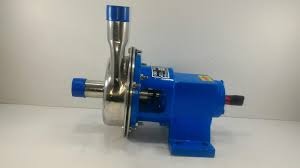

Handling nitric acid is one of the most demanding tasks for any industrial plant. The acid attacks metal fast, weakens seals, and reacts aggressively with impurities, heat, and vapours. Reliability teams who work with nitric acid know that a minor design flaw can turn into a safety concern or an expensive shutdown. This is why many industries now prefer a customized nitric acid transfer pump instead of a standard model.
A customized nitric acid transfer pump is built to match the exact acid concentration, temperature, vapour level, tank geometry, and operational cycle of each plant. Chemitek designs these pumps with real plant data, not assumptions. The result is better safety, longer pump life, and consistent performance in extreme acidic conditions.
Why Nitric Acid Transfer Requires Customized Pump Engineering
The Challenges of Handling Nitric Acid in Industrial Systems
Nitric acid is a strong oxidiser. It reacts with most metals quickly. Even small temperature changes increase corrosion speed. Vapours cause further damage by attacking seals, sleeves, and fasteners.
Plants handling nitric acid often face:
- Rapid metal thinning
- Frequent seal failures
- Damaged shafts
- Vapour leaks
- Flow instability during dosing
These issues occur because nitric acid behaves aggressively, especially at higher concentrations. Pumps built without considering these conditions fail early.
Why Standard Pumps Fail in Nitric Acid Transfer
Standard pumps often fail for predictable reasons:
- Wrong metallurgy
- Poor seal material
- Weak castings
- Rough hydraulics
- Incorrect sleeve design
These weaknesses allow nitric acid to attack the pump from inside. A standard pump rarely survives long in nitric acid transfer without heavy maintenance.
What “Customized Nitric Acid Transfer Pump” Actually Means
Design Tailored to Actual Plant Chemistry
Customization begins with chemistry. Chemitek studies:
- Nitric acid concentration
- Operating temperature
- Impurities
- Flow requirements
- Vapour conditions
- Pressure range
Each factor changes how the acid interacts with the metal. The pump design is then adjusted to match the exact process conditions.
Material Selection Driven by Process Data
Nitric acid does not affect all alloys equally. Chemitek selects materials based on the plant’s real conditions.
Common materials include:
- High-alloy stainless steel
- Duplex
- Super Duplex
- PVDF (for specific concentrations)
The material choice protects the pump during both steady and peak conditions.
Critical Design Factors for Safe Nitric Acid Transfer
Correct Hydraulics to Reduce Hot Spots
Heat increases corrosion. Pumps with poor hydraulics create hot spots. These weak points corrode first.
Chemitek reduces this risk by:
- Smoothing flow paths
- Reducing turbulence
- Avoiding sudden direction changes
This keeps the temperature stable inside the pump.
Seal Systems Built for Oxidising Fluids
Nitric acid vapours damage seals fast. Many elastomers fail in hours.
Chemitek uses:
- PTFE-based elastomers
- Silicon carbide faces
- Ceramic options
- Strong secondary sealing systems
These seals handle both acid and vapour safely.
Corrosion-Resistant Hardware and Sleeves
Nitric acid fumes corrode hardware and sleeves fast. Chemitek uses high-alloy sleeves and durable fasteners.
This improves:
- Seal life
- Shaft protection
- Pump uptime
Hardware strength is vital for continuous nitric acid transfer.
How Chemitek Customizes Nitric Acid Transfer Pumps
Detailed Fluid Analysis Before Manufacturing
Chemitek begins with a complete fluid study. This includes:
- Concentration map
- Temperature profile
- Presence of impurities
- Vapour pressure
- Expected cleaning cycles
This data ensures the metallurgy and design match the real process.
Precision Castings That Reduce Weak Zones
Weak castings corrode fast. Chemitek uses single-piece castings to avoid crevice-prone areas.
This reduces:
- Cavity formation
- Early thinning
- Stress cracks
Better castings ensure long-term safety.
Surface Treatment Options for Extra Protection
Chemitek adds protective linings when needed. These include:
- Epoxy coatings
- Polymer layers
- Anti-corrosive barrier linings
These treatments act as shields inside the pump.
Custom Configurations Chemitek Offers for Nitric Acid Applications
Horizontal Transfer Pumps
These pumps handle:
- Bulk nitric acid movement
- Tank unloading
- Continuous transfer lines
They offer high efficiency for large volumes.
Vertical Sump Pumps
Used for:
- Acidic pits
- Collection wells
- Drainage systems with vapour exposure
Vertical designs protect the motor from fumes and splashes.
Dosing and Metering Pumps
Designed for:
- Accurate dosing
- Controlled reagent delivery
- Small transfer volumes with high precision
These pumps are built with fine control and strong seals.
Industries That Require Custom Nitric Acid Transfer Pumps
Chemical Manufacturing
Nitric acid is used in extraction, washing, and mixing. Reliable pumps are essential for safe operations.
Water Treatment
Plants use nitric acid for pH control. Dosing pumps must stay stable during repeated starts.
Fertiliser Production
Nitric acid plays a key role in fertiliser systems. Pumps must survive constant exposure.
Pharma and Biotech
These industries require precise reagent handling. Pumps must remain safe, accurate, and compliant.
Plant-Level Benefits of Chemitek’s Customized Nitric Acid Transfer Pumps
Higher Operational Safety
Stronger seals, better metallurgy, and vapor-resistant sleeves improve safety. This reduces leak risks in harsh environments.
Longer Pump Life Under Harsh Conditions
Customized materials protect against oxidising conditions. Pumps hold strength even under changing temperatures.
Predictable Duty Point Performance
Chemitek pumps maintain stable flow and pressure. This keeps the dosing and transfer tasks accurate.
Choosing the Right Customized Nitric Acid Transfer Pump
Key Parameters That Influence Pump Selection
Plants must check:
- Nitric acid concentration
- Temperature profile
- Flow rate
- Pressure
- Vapour conditions
- Tank or sump geometry
These details guide material and design choices.
How Chemitek Supports Selection and Deployment
Chemitek provides:
- Detailed fluid studies
- Metallurgy guidance
- Seal recommendations
- Sleeve and coating options
- Installation support
This ensures each pump fits the real application.
Conclusion — Chemitek Builds Customized Pumps for Real Nitric Acid Conditions
Nitric acid transfer demands precision. It also demands strong metallurgy, correct seals, and a durable design. Standard pumps do not survive long under such stress. A customized design solves this problem by matching the pump to the real chemical conditions of each plant.
Chemitek builds customized nitric acid transfer pumps that last longer, run safer, and maintain consistent performance. The engineering choices are based on chemistry, temperature, vapour behaviour, and process details—not assumptions.
For industries that depend on safe nitric acid movement, Chemitek offers dependable pumps designed for the toughest acidic environments.
FAQs
1. Why do standard pumps fail in nitric acid transfer?
Because standard metallurgy and seals cannot handle oxidising attack, vapour exposure, and temperature spikes. Custom pumps use stronger materials built for nitric acid.
2. Which material is best for a nitric acid transfer pump?
It depends on acid strength and temperature. High-alloy stainless steel, Duplex, Super Duplex, or PVDF are chosen based on real chemistry.
3. Do nitric acid vapours damage pump seals?
Yes. Vapours attack elastomers and seal faces quickly. Chemitek uses seal materials designed for oxidising acids.
4. Are coatings useful for nitric acid applications?
Yes. Epoxy and polymer linings protect internal surfaces from high-strength acids and improve pump life.
5. What makes Chemitek’s nitric acid pumps safer?
Correct metallurgy, stronger sleeves, vapor-resistant seals, smooth hydraulics, and protective layers ensure safe pumping even under extreme conditions.