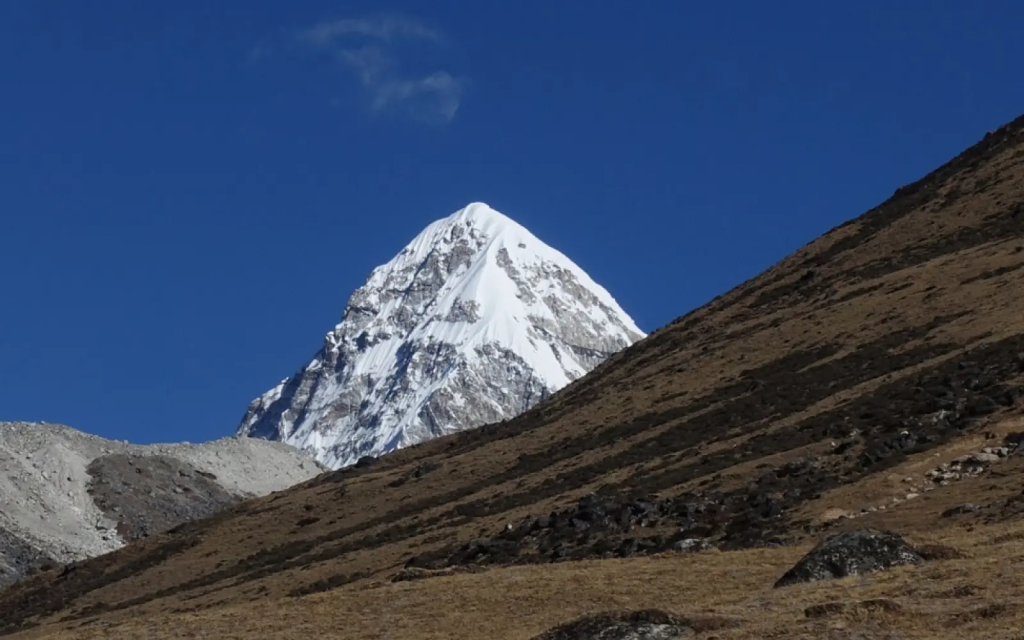
Adventure travel often means long days on the trail, changing weather, and landscapes that feel almost unreal. Trekkers pass through remote villages, cross suspension bridges, and reach viewpoints where the scenery suddenly opens into dramatic mountain panoramas. Experiences like these naturally make travelers want a camera that can capture the moment clearly.
However, choosing the right camera for trekking can be confusing. Conditions in the mountains change quickly. Temperatures drop, batteries drain faster, and carrying heavy gear becomes uncomfortable after several hours of hiking. Dusty trails, strong sunlight, and sudden snow can also affect how cameras perform.
This guide explains which cameras work best for adventure travel and multi-day trekking. You will learn which camera types are practical for long hikes, which models balance weight and image quality, and what features matter most in outdoor environments.
By the end of this article, you should feel confident selecting a camera that fits your trekking style, whether you are exploring remote mountain trails or planning a famous journey such as the Everest Base Camp trek.
What Makes a Camera Good for Adventure Travel
Trekking environments are very different from city travel. Cameras must handle physical stress, unpredictable weather, and limited charging opportunities.
Key Requirements for Trekking Cameras
- Lightweight and portable so they are comfortable to carry during long hikes
- Easy to access while walking so you do not miss moments
- Minimal gear setup so you do not need multiple lenses
- Reliable battery life of around 300–400 shots per charge
- USB charging and spare batteries for multi-day treks
- Weather resistance to handle dust, light rain, and snow
- Strong image quality for bright snow, shadows, and sunrise lighting
- Larger sensors preferred because they capture more detail and better dynamic range
Compact mirrorless cameras and rugged point-and-shoot models often work best for trekkers.
Types of Cameras Suitable for Trekking
Different trekkers have different priorities. Some want the best image quality, while others prefer a lightweight setup that is easy to carry during long hiking days. The following camera types are commonly used by travelers exploring trekking routes in Nepal.
Compact Cameras
Compact cameras are one of the most practical choices for trekking because they combine portability with good image quality.
Key points:
- Small and lightweight, usually between 250g and 350g, making them easy to carry all day
- Fixed zoom lens, which means you do not need to carry extra lenses
- Quick to start and shoot, useful when a great view suddenly appears on the trail
- Better image quality than most smartphones, especially in bright mountain light
- Pocket friendly size, allowing you to keep the camera accessible without opening your backpack
Compact cameras are ideal for casual trekkers who want high quality photos without managing complex camera gear.
Mirrorless Cameras
Mirrorless cameras are popular among serious travel photographers because they deliver professional image quality while remaining smaller than DSLR cameras.
Key points:
- Large sensors such as APS-C or full frame, which capture more detail in landscapes
- Excellent performance in sunrise, sunset, and low-light conditions
- Interchangeable lenses, allowing flexibility for wide landscapes or zoom shots of distant peaks
- Relatively lightweight compared to DSLR systems
- Advanced controls for photographers who want creative flexibility
For trekkers who prioritize photography and are willing to carry slightly more weight, mirrorless cameras provide the best balance between quality and portability.
Action Cameras
Action cameras are designed for extreme conditions and are commonly used by adventure travelers who want to capture movement and immersive video.
Key points:
- Extremely compact and lightweight, often under 160g
- Highly durable and waterproof, making them suitable for rain, snow, and river crossings
- Wide field of view, which captures dramatic mountain scenery
- Excellent video stabilization, useful when filming while walking or climbing
- Easy mounting options, allowing attachment to backpacks, helmets, or trekking poles
These cameras are especially useful for vloggers and trekkers who want dynamic video footage of their journey.
Smartphones
Smartphones remain the most common camera used by trekkers because they are already part of everyday travel gear.
Key points:
- No additional device to carry, which reduces pack weight
- Simple and intuitive to use, even in cold or windy conditions
- Instant photo editing and sharing when internet access is available
- Modern phones offer strong computational photography, improving dynamic range and color
- Good option for short treks or casual photography
However, smartphones can struggle with battery life, optical zoom, and durability during long multi-day treks in remote areas.
Best Camera Models for Trekking and Adventure Travel
Below are reliable camera models that trekkers and outdoor photographers often use in the Himalayas. They balance image quality, durability, and portability.
Sony RX100 VII (Compact Travel Camera)
This compact camera is extremely popular among trekkers who want excellent photos without carrying heavy gear.
Features:
- Very lightweight at about 302 grams, easy to carry all day
- Large 1-inch sensor that produces sharp landscape photos
- 24–200mm zoom lens that captures both wide scenery and distant peaks
- Fast autofocus that works well for wildlife and moving subjects
- Fits easily in a jacket pocket or small pouch
This camera works well for trekkers who want professional looking photos with minimal equipment.
Fujifilm X-T30 II (Lightweight Mirrorless Camera)
The Fujifilm X-T30 II is a powerful mirrorless camera that remains relatively small and lightweight.
Features:
- APS-C sensor delivers excellent image quality and dynamic range
- Lightweight body around 378 grams
- Strong color science that produces beautiful landscape colors
- Interchangeable lenses for more creative flexibility
- Compact enough to carry comfortably during multi-day treks
Paired with a small zoom lens, this camera is a great choice for photography enthusiasts trekking in Nepal.
Sony A7C (Full Frame Mirrorless Camera)
For trekkers who want the highest image quality without a bulky camera body, the Sony A7C is a strong option.
Features:
- Full frame sensor captures exceptional detail in mountain landscapes
- Excellent low-light performance for sunrise and sunset shots
- Strong battery life compared to many mirrorless cameras
- Weather resistant body suitable for outdoor environments
- Compact design for a full frame camera
This camera works well for serious photographers who want professional quality images from their treks.
GoPro HERO12 Black (Action Camera)
Action cameras are perfect for recording movement and adventure during trekking.
Features:
- Extremely small and lightweight
- Waterproof without additional housing
- Excellent image stabilization for smooth video
- Wide field of view that captures dramatic landscapes
- Easy to mount on backpacks or trekking poles
Many trekkers use this camera to capture videos while hiking steep trails or crossing suspension bridges.
OM System Tough TG-6 (Rugged Adventure Camera)
This rugged compact camera is designed specifically for outdoor environments.
Features:
- Waterproof up to 15 meters
- Shock resistant and built for rough handling
- Performs well in cold temperatures
- Good macro mode for close-up nature shots
- Simple controls that are easy to use while wearing gloves
It is ideal for trekkers who want a worry-free camera that can survive harsh mountain conditions.
Practical Tips for Using Cameras on Trekking Trips
Key tips to make photography easier and safer during trekking:
- Protect your camera from dust by keeping it in a padded pouch or camera wrap when it is inside your backpack.
- Carry spare batteries because cold mountain temperatures reduce battery performance.
- Keep extra batteries warm by storing them in an inner pocket close to your body.
- Use a quick-access carry system such as a chest pouch or camera clip so you can take photos without removing your backpack.
- Avoid constant lens changes on dusty trails to prevent dirt from entering the camera.
- Plan photos during golden hours for the best lighting conditions in the mountains.
- Shoot at sunrise from viewpoints to capture clear skies and dramatic Himalayan colors.
- Photograph in late afternoon when long shadows add depth to valleys and mountain ridges.
Following these simple practices helps protect your gear and allows you to capture better photos throughout your trek.
Conclusion
Choosing the right camera for adventure travel is less about owning the most expensive equipment and more about finding a tool that matches your trekking style.
A good adventure camera should be lightweight, durable, and capable of handling the challenging lighting conditions found in the mountains. Mirrorless cameras offer excellent image quality, compact cameras provide convenience, and action cameras capture dynamic moments during the journey.