
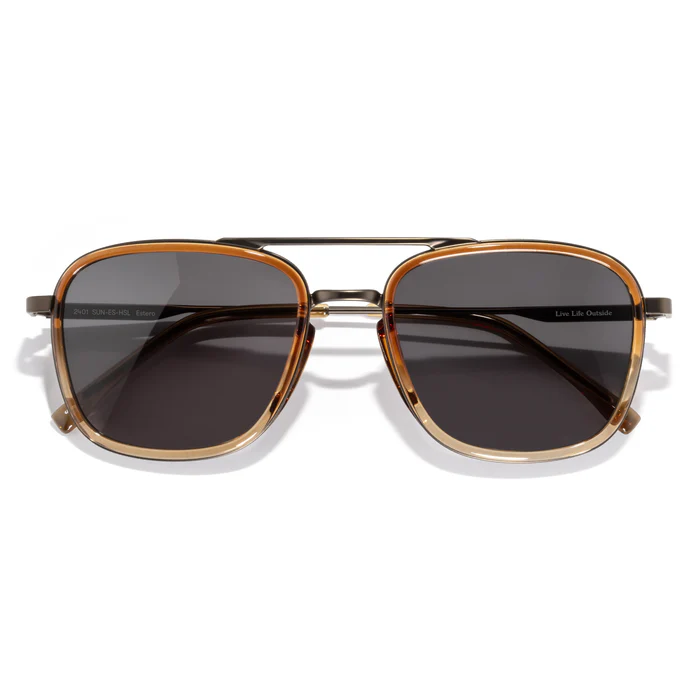

A great pair of sunglasses can transform your experience outdoors. Whether you’re spending long days on the water, hiking remote trails, driving across open highways, or simply enjoying a sunny afternoon, the right eyewear does much more than complete your look. It protects your eyes, reduces strain, and helps you stay comfortable for hours at a time.
While many shoppers focus on lens technology, frame color, or brand reputation, one factor is often overlooked: fit. The reality is that even the most advanced sunglasses can become frustrating if they don’t fit properly. For people with wider facial structures, finding eyewear that balances performance and comfort can make a significant difference.
The Hidden Impact of Poorly Fitting Sunglasses
Many people have experienced sunglasses that pinch at the temples, slide down the nose, or create pressure points behind the ears. These issues may seem minor at first, but they can quickly become distracting during extended outdoor activities.
Poor fit can lead to:
- Headaches caused by excessive frame pressure
- Constant adjustments throughout the day
- Reduced concentration during activities
- Increased fatigue from discomfort
- Gaps that allow sunlight to enter from the sides
For anglers, boaters, hikers, and outdoor enthusiasts, these problems can negatively affect both comfort and performance. Instead of focusing on the activity, you’re constantly aware of the eyewear sitting on your face.
Why Larger Frames Aren’t Just About Appearance
There’s a common misconception that larger sunglasses are simply a style preference. In reality, frame size plays a critical role in functionality.
Individuals with broader facial dimensions often need wider frames to achieve proper weight distribution and stability. When frames are too narrow, the arms stretch outward, creating excessive pressure on the sides of the head. Over time, this can cause discomfort and even shorten the lifespan of the eyewear.
A properly sized frame sits naturally across the face without squeezing or shifting. It provides a secure fit while maintaining enough flexibility for long-term comfort.
The goal isn’t to wear oversized sunglasses—it’s to wear sunglasses designed for your face shape and dimensions.
Comfort and Performance Go Hand in Hand
Outdoor activities frequently require extended periods of concentration. Whether you’re tracking movement on the water, navigating changing terrain, or spending hours under bright sunlight, discomfort becomes more noticeable as time passes.
Well-fitting sunglasses improve performance in several ways:
Better Stability
Frames that match your facial width remain secure during movement. This is particularly important for active pursuits where sudden motions can cause poorly fitting eyewear to shift.
Improved Coverage
Appropriately sized frames offer better protection from sunlight entering through the sides and top of the frame. This creates a more consistent visual experience throughout the day.
Reduced Distractions
When sunglasses fit correctly, you spend less time adjusting them and more time focusing on what you’re doing.
Enhanced Long-Term Wearability
Comfortable eyewear encourages consistent use, which ultimately means better protection for your eyes during outdoor activities.
Key Features to Look for in Wider-Fit Sunglasses
Finding the right sunglasses involves more than selecting a larger frame. Several design elements contribute to overall comfort and performance.
Flexible Frame Materials
Frames constructed from durable yet flexible materials can accommodate a wider range of facial shapes while maintaining their structural integrity.
Balanced Weight Distribution
Heavy frames often create pressure on the nose and ears. Lightweight designs distribute weight more evenly, making them more comfortable during all-day wear.
Wider Temple Design
Temple arms should rest comfortably against the sides of the head without creating excessive tension. A well-designed temple structure helps keep sunglasses secure without causing discomfort.
Quality Nose Support
Proper nose support prevents sunglasses from sliding downward while minimizing pressure on the bridge of the nose.
Wraparound Coverage
For outdoor enthusiasts, wraparound styles often provide additional protection from glare and environmental elements.
Choosing Sunglasses for Fishing and Water Activities
Fishing presents unique challenges when it comes to eyewear. Reflected sunlight from the water can create intense glare, making visibility difficult and increasing eye strain.
In these environments, fit becomes especially important. Sunglasses that shift or slide during casting, boating, or movement can become a constant annoyance.
Many experienced anglers prioritize frame comfort alongside lens performance because they understand how many hours they spend wearing their sunglasses. Long days on the water demand equipment that remains comfortable from sunrise to sunset.
For those seeking reliable options designed with wider facial structures in mind, exploringcomfortable sunglasses for larger heads can provide valuable insight into frame designs created specifically for all-day outdoor use.
How Proper Fit Improves Eye Protection
People often think of sunglasses primarily as a tool for reducing brightness, but protection is equally important.
A properly fitted frame helps shield the eyes from:
- Direct sunlight
- Peripheral glare
- Wind exposure
- Dust and debris
- Reflected light from water and other surfaces
When frames fit poorly, gaps around the edges can reduce overall effectiveness. Even high-quality lenses cannot fully compensate for inadequate coverage.
This is why eyewear professionals frequently emphasize frame fit as a foundational part of eye protection. The best lenses perform most effectively when paired with a frame that sits correctly on the face.
Investing in Comfort Pays Off
Outdoor gear is often judged by how well it performs over time. Sunglasses should be no exception.
People who spend significant time outdoors quickly learn that comfort is not a luxury—it’s a necessity. A well-fitting pair of sunglasses can enhance every outdoor experience by reducing distractions, improving visual clarity, and encouraging consistent wear.
Rather than focusing solely on trends or appearance, consider how the sunglasses will feel after several hours of use. The difference between an average fit and an excellent fit becomes increasingly noticeable as the day goes on.
Conclusion
The best sunglasses combine protection, performance, and comfort into a single package. While lens quality remains important, fit is often the factor that determines whether a pair becomes a trusted everyday companion or ends up forgotten in a drawer.
For individuals with broader facial structures, choosing eyewear specifically designed to accommodate wider dimensions can dramatically improve comfort and usability. By prioritizing fit alongside features and style, outdoor enthusiasts can enjoy better protection, fewer distractions, and a more enjoyable experience wherever their adventures take them.