
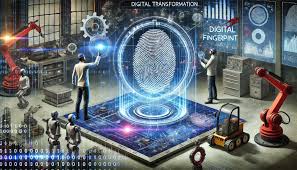

In the current era of hyper-connectivity, we often talk about the world as if it existed purely in the cloud. We discuss artificial intelligence, big data, and the Internet of Things (IoT) as abstract concepts that float somewhere above our heads. However, even the most sophisticated digital ecosystem is ultimately anchored in the physical world. For every terabyte of data processed, there is a physical server hummimg in a rack, and for every automated factory line, there is a complex network of machinery that must operate with surgical precision. The “software” of our civilization is impressive, but it is the “hardware” of our infrastructure that truly determines how far we can push the boundaries of innovation.
When we strip away the glowing screens and the complex algorithms, we find a world made of atoms that must withstand immense pressure, heat, and wear. It is a common mistake to think that material science has reached its peak. In reality, the demands of the modern tech world are forcing us to rediscover the value of high-performance materials. We need solutions that are not just “strong” but are also smart, adaptable, and capable of lasting for decades without a single glitch. It is about building a foundation that is as reliable as the code we write.
The hardware of stability – why stainless steel is the engine of the tech world
If you look at the most advanced research labs or automated production facilities today, you will notice a recurring theme in their construction. The choice of stainless steel as a primary building block is not just for its clean, professional look. It is about a fundamental property called structural integrity. In an environment where sensors can detect vibrations at the micron level, having a stable, non-reactive frame is essential. This material provides a level of predictability that is vital for high-tech manufacturing, where even a tiny bit of thermal expansion or a microscopic speck of rust could throw an entire system out of alignment.
The beauty of this alloy lies in its unique chemistry. Unlike other metals that require constant coating or chemical treatments to stay functional, it carries its own protection. This self-healing nature makes it the perfect candidate for Industry 4.0 environments, where humans are less involved in daily maintenance. It is a set-and-forget material that allows tech companies to focus on their core innovations rather than worrying about the structural decay of their facilities. In a way, it is the ultimate physical backup for our digital ambitions.
Resilience in the age of Industry 4.0
As we move toward fully autonomous factories, the margin for error shrinks to zero. A robotic arm operating 24/7 needs to be mounted on something that will not fatigue or corrode over time. The same applies to the delicate housings of high-end optical sensors or the ultra-clean environments required for semiconductor production. In these sectors, the purity of the material is just as important as the code running the machines. It is a synergy where the quality of the physical hardware determines the maximum performance of the software.
Cooling the cloud – the vital role of stainless steel pipes
One of the biggest challenges of the digital age is heat. Data centers are massive heat engines, and keeping them at the right temperature is a monumental task of engineering. This is where stainless steel pipes become the unsung heroes of the internet. They form the complex cooling circuits that carry heat away from the processors, ensuring that the “brain” of the network does not overheat. Choosing inferior materials for these systems is a risk no data center operator is willing to take, as a single leak could result in millions of dollars in hardware damage and downtime.
These piping systems must handle constant pressure and resist the buildup of internal deposits that could reduce efficiency. The smooth internal surface of these pipes ensures an optimal flow of coolant, which in turn lowers the energy consumption of the entire facility. It is a direct link between material choice and green tech; better infrastructure leads to a lower carbon footprint for the digital world. By ensuring that the thermal management is handled by the best possible hardware, we make our digital growth more sustainable and secure.
Precision engineering for thermal management
Modern thermal management is not just about moving water; it is about managing complex fluids and maintaining a perfect seal in high-pressure environments. The precision of the joints and the reliability of the valves are critical. Engineers often spend months optimizing these flow paths in a digital environment, but those simulations only work if the physical pipes match the mathematical models. High-quality alloys provide that necessary precision, allowing for a seamless transition from a 3D model to a functioning, high-performance cooling system.
Scaling with precision – finding a strategic stainless steel wholesaler
As tech companies scale their physical footprint, the logistics of material procurement become a major strategic hurdle. You cannot build a global network of data centers or a chain of automated warehouses without a rock-solid supply chain. This is why partnering with a professional stainless steel wholesaler is a key move for any growing enterprise. It is about ensuring that you have access to the right grades of material, in the right quantities, exactly when the construction crew is ready to install them.
A top-tier wholesaler acts as a technical consultant as much as a supplier. They help project managers understand the nuances between different alloys – why one might be better for a coastal facility while another is ideal for a high-temperature processing plant. In an era of unpredictable global markets, having a partner who keeps a vast inventory and understands the technical requirements of the tech sector is a massive competitive advantage. It ensures that the physical expansion of your business keeps pace with your digital growth, without being held back by bottlenecks or quality issues.
The future of technology is not just about what we can do with bits and bytes; it is about how we integrate those digital triumphs with the physical world. By investing in the highest quality materials, we are not just building machines or buildings – we are building a legacy of resilience. The most successful innovations of the next decade will be those that recognize that a brilliant mind needs a strong body to survive. When we build with materials that do not fail, we give our ideas the space they need to change the world.