
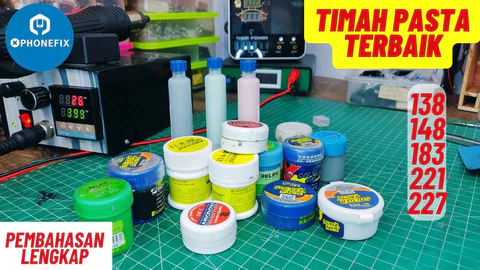

In the fast-paced world of mobile phone repair, precision and accuracy are essential. Every phone repair shop faces challenges when working with tiny components, especially during soldering. One small mistake can lead to a damaged motherboard, malfunctioning circuit, or even a complete device failure. That’s why the right tools, materials, and techniques are crucial for anyone working in this field. Among these tools, phone solder paste stands out as a vital component for achieving smooth and reliable repairs. Using high-quality solder paste from trusted suppliers can help reduce errors and improve the efficiency of repair processes, whether you are a DIY enthusiast or a professional technician.
Phone repair shops around the world rely heavily on specialized tools and high-quality materials to perform efficient repairs. Whether it’s fixing a charging port, replacing a screen, or performing a delicate motherboard repair, having reliable solder paste and proper soldering techniques can save time and prevent costly mistakes. Brands like PHONEFIX, DIYFIXTool, and DIYPHONE offer high-quality soldering tools and materials that cater specifically to the needs of mobile repair professionals and hobbyists. Understanding how to handle solder paste correctly is not just about following instructions; it’s about mastering a process that ensures every repair is successful the first time.
Understanding Phone Solder Paste
Phone solder paste is a combination of flux and tiny solder particles designed for precise electronic repairs. Unlike traditional solder wire, solder paste is ideal for surface-mount components and complex circuit boards found in modern smartphones. It allows for controlled application, reducing the risk of bridges and cold solder joints, which are common mistakes in phone repair shops. By using the right type of solder paste, technicians can achieve stronger connections, smoother finishes, and better long-term performance.
Choosing the correct solder paste depends on several factors, including the type of repair, the device model, and the components being soldered. Lead-free solder paste is often preferred for environmental compliance, while standard tin-lead paste can offer better flow and easier handling for certain repairs. Every phone repair shop should stock a variety of solder pastes and test them on practice boards to understand their behavior. Proper storage of solder paste is equally important, as exposure to air or improper temperature can degrade its effectiveness and lead to frustrating errors during repairs.
Common Errors in Soldering and How to Avoid Them
Even experienced technicians can make mistakes when soldering mobile phone components. Common errors include applying too much solder paste, uneven distribution, overheating the board, or misaligning small components. Each of these mistakes can compromise the repair and may even damage the device irreversibly. Awareness of these risks is the first step toward reducing errors in any phone repair shop.
Using a systematic approach helps prevent these errors. Start with a clean, well-prepared board, and ensure the solder paste is fresh and properly mixed. Use appropriate tools such as precision applicators or stencils to apply paste evenly. Controlling the heat during soldering is also crucial. By following these methods, phone repair shops can minimize the chance of defects, save time on rework, and maintain a reputation for high-quality repairs. Incorporating training sessions for new technicians on solder paste handling can also improve overall success rates and reduce mistakes in everyday operations.
Best Practices for Using Solder Paste in Repairs
There are several best practices phone repair shops should adopt to get the most out of solder paste. Firstly, always check the paste’s expiration date and consistency before starting a repair. Dried or separated paste can lead to weak joints and unpredictable results. Secondly, invest in proper dispensing tools that allow precise application to tiny pads and chips. This helps avoid excess solder, which can create shorts or require additional cleaning. Lastly, reheating and reflow techniques should follow recommended temperature profiles to ensure reliable solder joints.
Another effective practice is using magnification tools and proper lighting to inspect the solder joints carefully. Many phone repair shops make the mistake of rushing the process, which can result in overlooked defects. A small investment in high-quality solder paste and complementary tools can prevent significant losses caused by rework or damaged devices. Furthermore, maintaining a clean work area free from dust and moisture contributes to better soldering outcomes and reduces the likelihood of errors over time.
Choosing the Right Tools for Phone Repair Shops
Solder paste alone isn’t enough to ensure perfect repairs; the right tools make a big difference. Phone repair shops need reliable soldering stations, tweezers, hot air rework stations, and magnifying equipment to handle intricate tasks. Brands like DIYFIXTool and PHONEFIX provide complete toolkits tailored to mobile repair needs, allowing technicians to work efficiently and confidently. Selecting the correct tip size for your soldering iron and using temperature-controlled equipment can also prevent overheating components, a common source of errors.
In addition to soldering equipment, using quality repair parts and accessories is equally important. Replacing damaged components with high-quality alternatives reduces the risk of failure and improves customer satisfaction. Many repair shops combine the use of premium solder paste with high-quality tools and parts to create a seamless workflow. This combination of tools, materials, and skills ensures every repair is done right the first time, which is essential for both customer trust and operational efficiency.
Training and Skill Development for Technicians
Even the best materials and tools can’t compensate for a lack of knowledge or skill. Continuous training is essential for anyone working in a phone repair shop. Technicians should stay updated on the latest repair techniques, soldering methods, and new components entering the market. Regular practice with solder paste, reflow methods, and component handling improves dexterity and confidence, ultimately reducing the likelihood of mistakes.
Many phone repair shops invest in workshops and online tutorials to help technicians master the use of solder paste and related tools. Encouraging a culture of learning and experimentation ensures that errors are minimized, even on the most challenging repairs. By providing hands-on practice with different types of solder paste and mobile devices, shops can train technicians to anticipate issues before they occur. This proactive approach results in higher success rates, happier customers, and a stronger reputation for quality and reliability.
The Role of Quality Materials in Long-Term Success
High-quality solder paste and components play a critical role in the long-term success of a phone repair shop. Inferior materials may save money initially but often result in frequent rework, device returns, and dissatisfied clients. Investing in trusted brands like PHONEFIX, DIYPHONE, and DIYFIXTool ensures that repairs are durable and reliable. Using premium solder paste reduces the likelihood of cold joints, oxidation, or weak connections, which are common problems when cheaper alternatives are used.
For mobile repair shops, quality materials are more than just a technical consideration; they directly impact customer trust and business growth. Clients expect repairs to last, and shops that consistently deliver durable results build a loyal customer base. By prioritizing quality solder paste, reliable tools, and training, phone repair shops create a competitive advantage that separates professional services from amateur repairs. The combination of skill, tools, and quality materials creates a workflow that minimizes errors and maximizes efficiency, ultimately enhancing the reputation of the shop and ensuring long-term success.
Conclusion
Solder paste may seem like a small part of the repair process, but its impact on accuracy and reliability cannot be overstated. Phone repair shops that understand the importance of high-quality solder paste, proper handling, and the use of reliable tools significantly reduce errors and improve repair outcomes. Integrating best practices, investing in quality materials from brands like PHONEFIX, DIYFIXTool, and DIYPHONE, and continuously training technicians can transform ordinary repair work into a highly efficient and professional service. Whether you are a DIY repair enthusiast or a professional technician, mastering solder paste usage is essential for success in today’s competitive mobile repair industry.
By focusing on quality, skill, and precision, phone repair shops can deliver consistent results, reduce mistakes, and build trust with every client. Proper soldering techniques combined with premium materials not only improve repair reliability but also enhance the overall efficiency of operations, making the shop a preferred destination for customers seeking dependable mobile repairs.