

Shifting Norms and Expectations
The landscape of working from home has changed dramatically since the pandemic. In 2020, organizations were forced to transition rapidly to remote work, often without the infrastructure, processes, or training in place to support a fully distributed workforce. What began as a temporary solution has evolved into a permanent component of modern work. Employees and employers alike have adjusted their expectations, embracing flexibility, digital collaboration, and hybrid models as central to operational strategy.
One of the most significant changes has been the normalization of remote work as a standard option rather than an exception. Prior to the pandemic, many organizations viewed working from home as a privilege reserved for certain roles or exceptional circumstances. Today, companies recognize the benefits of remote work in attracting talent, reducing overhead costs, and supporting work-life balance. At the same time, remote work has introduced challenges that organizations continue to address, including maintaining team cohesion, ensuring equitable access to opportunities, and sustaining organizational culture.
Impact on Productivity and Employee Engagement
The pandemic experience also reshaped perceptions of productivity and engagement. Initially, many employers were concerned that remote work might reduce output or collaboration, but studies and observations over the past few years have shown that productivity can remain consistent or even improve under the right conditions. Remote work enables employees to manage their schedules more efficiently, reduce commuting time, and focus on deep work without typical office distractions.
However, maintaining engagement in a remote environment requires deliberate effort. Managers must implement regular check-ins, establish clear goals, and provide timely feedback to ensure alignment and accountability. Teams benefit from structured communication and collaboration strategies that keep employees connected to each other and the organization’s mission. Flexible scheduling, combined with measurable outcomes, has become a key tool in sustaining both productivity and engagement in a remote-first or hybrid work environment.
Leveraging Video Conferencing Technology
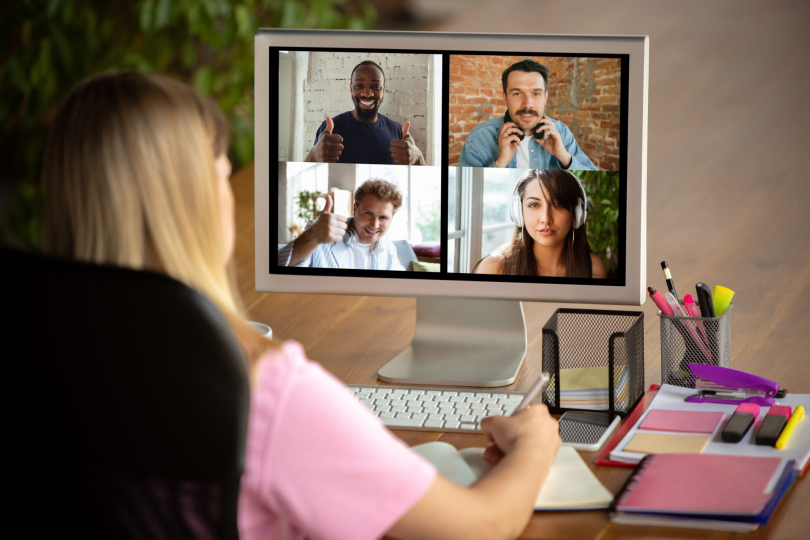
One of the most visible shifts since the pandemic has been the reliance on video conferencing technology. Virtual meetings, once considered supplementary to in-person interactions, have become central to daily operations. Video platforms allow employees to maintain face-to-face communication, collaborate on projects, and participate in discussions regardless of location. Features such as screen sharing, virtual whiteboards, and breakout rooms enable teams to replicate many aspects of in-person collaboration digitally.
For organizations that have embraced hybrid models, video conferencing technology serves as a bridge between in-office and remote staff, ensuring all team members remain included in critical discussions. Training employees on best practices for virtual meetings, establishing guidelines for etiquette, and optimizing technical setups have become essential elements of effective remote work. The evolution of video conferencing has not only supported continuity but also enabled organizations to rethink how collaboration, client interactions, and team engagement are conducted.
Adapting Company Culture and Policies
Another significant change since the pandemic is the adaptation of company culture and policies to accommodate remote work. Organizations have shifted from rigid office-based policies to more flexible arrangements that support employee autonomy and well-being. This includes redefining work hours, implementing hybrid schedules, and creating clear expectations for communication and deliverables. Policies around performance evaluation have also evolved, focusing more on outcomes and results rather than physical presence or hours logged.
Cultural adaptation extends beyond policy. Maintaining a strong organizational identity and sense of belonging in a remote environment requires intentional efforts to engage employees socially and professionally. Virtual team-building activities, digital recognition programs, and transparent communication about company goals help sustain morale and connection. Companies that succeed in preserving culture while supporting remote work demonstrate that employee engagement and loyalty can thrive even in distributed settings.
Long-Term Implications and Strategic Considerations
The changes to working from home since the pandemic have long-term implications for organizational strategy. Companies are increasingly evaluating which roles are suited to full-time remote work, which benefit from in-person collaboration, and which require a hybrid approach. Talent acquisition strategies now emphasize flexibility, offering remote options to attract skilled candidates from broader geographic areas. Real estate planning, technology investments, and workforce development initiatives are also being reimagined to support a distributed workforce effectively.
Ultimately, the pandemic accelerated trends that were already emerging in the workplace while creating opportunities for organizations to rethink traditional structures. Companies that embrace these shifts strategically, invest in tools like video conferencing technology, and foster a culture of flexibility and engagement are better positioned to thrive in the evolving world of work.
Conclusion
Working from home has evolved significantly since the pandemic, transforming from a temporary necessity to a core component of organizational strategy. Changes in norms, productivity expectations, technology adoption, and company culture have reshaped how teams collaborate and engage. Video conferencing technology has played a pivotal role in maintaining communication and cohesion, while flexible policies and strategic adaptations have supported employee satisfaction and performance. As organizations look ahead, the lessons learned from this evolution will continue to influence how work is structured, how talent is managed, and how companies achieve long-term success in an increasingly flexible workplace environment