

Starting a brick and mortar business requires careful planning, strategic foresight, and attention to both operational and customer-focused details. Unlike purely online ventures, physical businesses face unique challenges, including location selection, inventory management, staffing, and compliance with local regulations. Entrepreneurs who prepare thoughtfully can create a strong foundation for growth, build customer loyalty, and establish a resilient presence in their community. Understanding these fundamentals ensures that the business not only opens successfully but continues to thrive over time.
Choose the Right Location and Understand Local Markets
One of the most critical decisions for a brick and mortar business is selecting the right location. Foot traffic, accessibility, visibility, and proximity to complementary businesses influence both short-term sales and long-term growth. Entrepreneurs should conduct market research to understand local demographics, customer behavior, and competition in the area. Choosing a location that aligns with target audience needs while minimizing operational challenges sets the stage for success. Additionally, lease agreements, zoning regulations, and future development plans must be considered to avoid unexpected constraints that could impede operations or expansion.
Plan Operations and Inventory Management
Physical businesses require robust operational planning, especially around inventory management and logistics. Stocking the right products in appropriate quantities ensures that customer demand is met without overextending resources. Systems for tracking sales, monitoring inventory levels, and replenishing stock efficiently are essential to reduce waste, prevent shortages, and optimize cash flow. Operational planning also includes considerations such as store layout, supplier relationships, point-of-sale systems, and maintenance of the physical premises. Streamlined operations contribute to both customer satisfaction and profitability, reducing stress and inefficiencies for the business owner.
Hire and Train a Competent Team
A brick and mortar business relies heavily on staff to create a positive customer experience. Hiring competent, reliable, and customer-oriented employees is essential for building loyalty and maintaining consistent service quality. Training programs should cover product knowledge, operational procedures, and customer service skills, ensuring that employees can represent the brand effectively. Empowering staff to handle challenges and make decisions within their roles not only improves efficiency but also fosters a sense of ownership and engagement. A well-prepared team enhances the overall reputation of the business and contributes to long-term success.
Establish Marketing and Community Presence
For physical businesses, local marketing and visibility are critical. Traditional channels such as local advertising, signage, and direct mail can complement online promotion to attract nearby customers. Community engagement through events, sponsorships, and partnerships strengthens brand presence and builds trust with local audiences. Leveraging digital marketing strategies, including content creation and social media, extends the reach and reinforces brand identity. Approaches such as SME content allow businesses to highlight expertise, share valuable insights, and connect with audiences both locally and beyond. Consistent messaging across online and offline channels enhances credibility and ensures that potential customers are aware of the business’s offerings.
Ensure Compliance and Financial Preparedness
Legal compliance and financial planning are essential considerations for any brick and mortar business. Entrepreneurs must understand local, state, and federal regulations, including business licenses, health and safety standards, and tax obligations. Financial preparedness involves budgeting for startup costs, ongoing operational expenses, and unexpected contingencies. Maintaining clear records, monitoring cash flow, and planning for seasonal fluctuations support stability and reduce the risk of financial stress. Consulting with professionals such as accountants or business advisors can provide clarity and help ensure compliance, allowing owners to focus on growth rather than regulatory issues.
Focus on Customer Experience
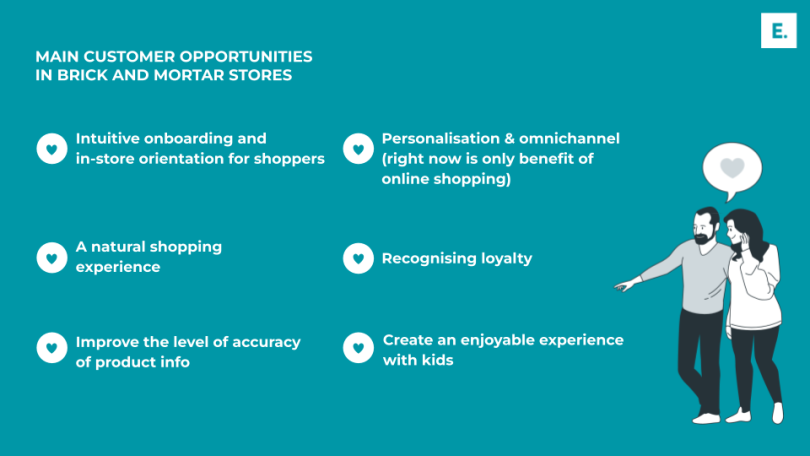
Finally, the success of a brick and mortar business often hinges on the customer experience. Store layout, ambiance, service quality, and responsiveness to feedback create lasting impressions that influence repeat business and word-of-mouth referrals. Prioritizing customer satisfaction while adapting to trends and preferences ensures that the business remains competitive in both local and broader markets. Continuous improvement based on customer insights helps maintain relevance and fosters loyalty over time.
Launching a brick and mortar business requires attention to location, operations, staffing, marketing, compliance, and customer experience. Entrepreneurs who plan strategically, invest in effective systems, and leverage tools such as SME content to enhance engagement can establish a strong foundation for sustainable growth. By combining operational efficiency with customer-focused strategies, physical businesses can thrive in competitive markets and build lasting relationships with their communities.