
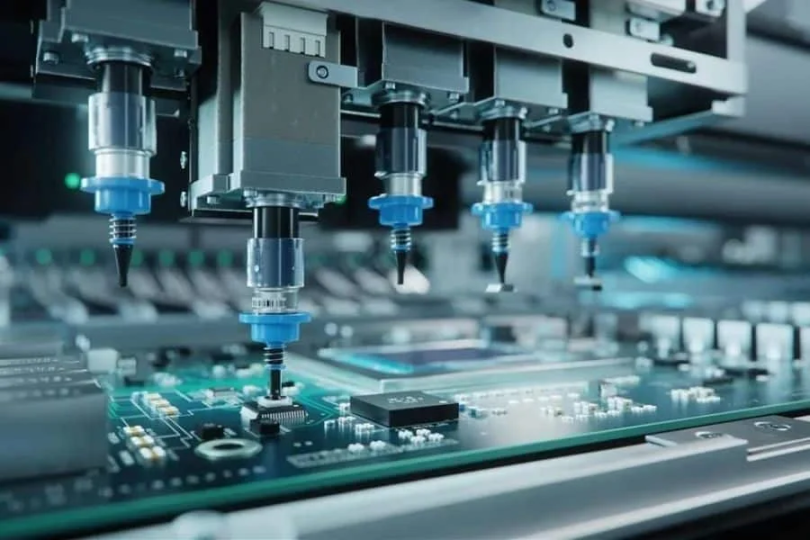

As electronic devices become more compact and powerful, manufacturers need advanced assembly methods that can handle smaller components while maintaining exceptional quality and reliability. Modern industries such as telecommunications, automotive, healthcare, aerospace, industrial automation, and consumer electronics all depend on efficient production processes that support high-performance circuit boards. SMT Assembly has become the preferred manufacturing method because it allows electronic components to be mounted directly onto the surface of printed circuit boards with outstanding precision and speed. This technology supports higher component density, improved electrical performance, and faster production compared to traditional assembly methods.
Working with an experienced provider of smt pcb assembly services further enhances manufacturing quality by combining advanced equipment, skilled engineering teams, and strict quality control procedures. Professional manufacturers ensure accurate component placement, reliable solder joints, and consistent production results for both prototype and high-volume orders. By choosing the right assembly partner, businesses can accelerate product development while maintaining the reliability required for today’s advanced electronic systems.
Why SMT Assembly Is Essential for Modern Electronics
The growing complexity of electronic products has increased the demand for efficient and accurate assembly methods. SMT Assembly enables manufacturers to place extremely small electronic components directly onto the PCB surface using automated equipment. This process supports compact circuit designs while reducing board size and improving manufacturing efficiency.
Surface mount technology also improves electrical performance by shortening connection paths between components. Smaller solder joints and reduced lead lengths help minimize signal interference while increasing overall circuit reliability. These advantages have made SMT the standard manufacturing process for modern electronic products across nearly every major industry.
The Benefits of Professional SMT PCB Assembly
Choosing experienced smt pcb assembly services provides businesses with access to advanced manufacturing expertise and reliable production capabilities. Professional manufacturers use automated solder paste printing, high-speed pick-and-place machines, precision reflow soldering, and advanced inspection systems to ensure every component is accurately installed according to design specifications.
Engineering support also plays an important role throughout the assembly process. Manufacturers review PCB layouts, verify component availability, optimize production planning, and recommend design improvements before assembly begins. Early collaboration helps reduce production risks while improving overall manufacturing efficiency and final product quality.
Advanced Manufacturing Processes Ensure Consistent Quality
Modern SMT production relies on highly automated manufacturing systems that maintain excellent accuracy throughout every stage of assembly. Automated equipment precisely applies solder paste, places components, performs controlled reflow soldering, and inspects completed assemblies using advanced optical and X-ray technologies. These automated processes reduce human error while improving production consistency.
Quality assurance continues throughout manufacturing with automated optical inspection, X-ray analysis, electrical testing, in-circuit testing, functional verification, and final visual inspection. Continuous process monitoring helps identify potential defects early, ensuring every assembled PCB meets customer specifications before shipment. These comprehensive quality procedures provide reliable results across both prototype and production quantities.
Industries That Depend on Surface Mount Technology
SMT manufacturing supports numerous industries that require compact, reliable electronic systems. Telecommunications companies use SMT technology for networking equipment, wireless communication devices, and high-speed data infrastructure where precise component placement directly affects system performance.
Medical device manufacturers rely on SMT for diagnostic equipment, portable monitoring systems, imaging devices, and wearable healthcare technologies that demand dependable operation. Automotive companies use SMT assembly for engine control units, electric vehicle electronics, safety systems, and infotainment platforms. Aerospace, defense, industrial automation, robotics, renewable energy, and consumer electronics manufacturers also benefit from the efficiency and reliability of advanced SMT manufacturing.
Choosing the Right SMT Manufacturing Partner
Selecting an experienced assembly provider is one of the most important decisions during product development. Companies should evaluate manufacturers based on technical expertise, production capacity, quality certifications, engineering support, inspection capabilities, and experience assembling complex electronic products. Reliable smt pcb assembly providers understand both prototype and high-volume production requirements while maintaining consistent manufacturing standards.
Strong customer communication further improves project success. Manufacturers provide design reviews, manufacturability analysis, production planning, component sourcing assistance, and ongoing technical support throughout development. Flexible manufacturing capabilities allow businesses to efficiently transition from prototype assembly to large-scale production while maintaining dependable quality.
Future Trends in SMT Manufacturing
The future of electronics manufacturing continues evolving with advances in artificial intelligence, Internet of Things technology, electric vehicles, wearable electronics, robotics, advanced communication systems, and smart industrial equipment. These innovations require increasingly compact circuit boards assembled with greater precision and manufacturing efficiency.
Manufacturers continue investing in intelligent automation, robotic production systems, advanced inspection technologies, digital factory management, and environmentally responsible manufacturing processes to improve productivity and product quality. As electronic products become more sophisticated, SMT manufacturing and professional assembly services will remain essential for supporting future technological innovation across global industries.
Conclusion
SMT Assembly has transformed modern electronics manufacturing by enabling highly accurate component placement, improved circuit performance, and efficient production for increasingly complex electronic products. Its ability to support compact designs, reliable solder connections, and consistent manufacturing quality makes it the preferred assembly method across industries including telecommunications, healthcare, automotive, aerospace, industrial automation, and consumer electronics.
Professional smt pcb assembly services further strengthen manufacturing through advanced production technology, expert engineering support, and comprehensive quality assurance. By partnering with an experienced SMT assembly provider, businesses can confidently develop reliable electronic products that meet today’s demanding performance standards while preparing for the next generation of electronic innovation.