The aerospace industry demands some of the most reliable electronic systems ever developed. Whether installed in commercial aircraft, military platforms, satellites, drones, or space exploration equipment, every electronic component must perform flawlessly under extreme operating conditions. High altitude, continuous vibration, rapid temperature changes, radiation exposure, and long service life place enormous demands on printed circuit boards. For this reason, Aerospace PCB Design requires exceptional engineering precision, specialized materials, and strict manufacturing standards.
Unlike conventional electronics, aerospace circuit boards must maintain stable electrical performance while operating in environments where failure is simply not an option. Designers must carefully consider thermal management, signal integrity, electromagnetic compatibility, mechanical durability, and weight optimization throughout the development process.
Equally important is the role of experienced PCB Fabrication Companies, which transform complex aerospace designs into highly reliable circuit boards using advanced manufacturing technologies and rigorous quality control. Precision fabrication ensures that every layer, via, and conductive trace meets the strict tolerances required for mission-critical aerospace applications.
This article explores the importance of aerospace PCB design, the manufacturing process, key design considerations, industry applications, and why choosing the right PCB fabrication partner is essential for producing dependable aerospace electronics.
What Is Aerospace PCB Design?
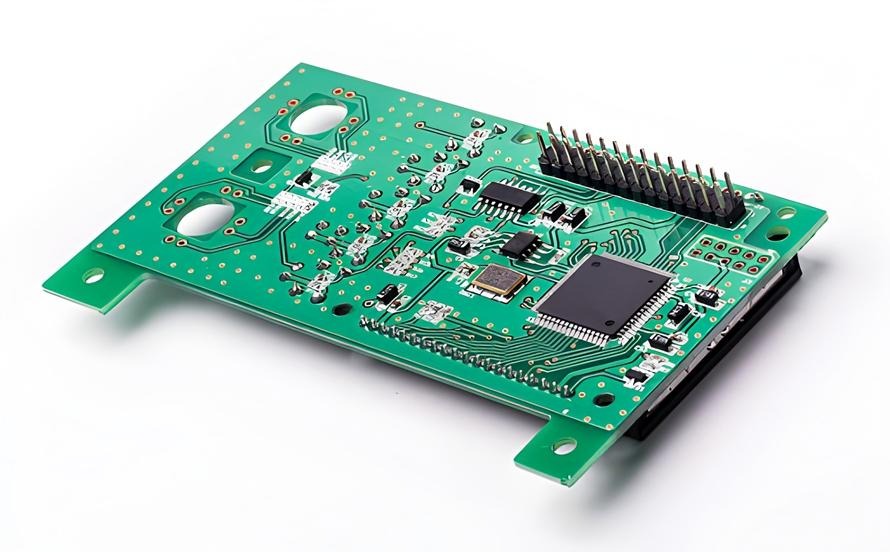
Aerospace PCB Design is the specialized process of developing printed circuit boards intended for aircraft, spacecraft, satellites, defense systems, and other aviation-related electronic equipment. These circuit boards are engineered to operate reliably under demanding environmental conditions while meeting strict industry standards for safety, durability, and performance.
Compared to standard PCB designs, aerospace boards often incorporate advanced materials, controlled impedance structures, multilayer stack-ups, high-density interconnect technologies, and robust thermal management solutions. Designers must also account for vibration resistance, mechanical stress, humidity, altitude, radiation exposure, and extended operational lifecycles.
The design process involves close collaboration between electrical engineers, mechanical engineers, manufacturing specialists, and quality assurance teams to ensure that the final product satisfies both technical and regulatory requirements.
Because aerospace systems frequently operate in safety-critical environments, every aspect of the PCB design is carefully analyzed before manufacturing begins.
Why Aerospace PCB Design Is Important
Electronic systems are responsible for controlling navigation, communication, flight management, engine monitoring, radar systems, sensors, and countless other critical aerospace functions. Any PCB failure can compromise system reliability and potentially affect operational safety.
Effective Aerospace PCB Design minimizes these risks by incorporating engineering practices that improve electrical stability, mechanical strength, and long-term reliability. Careful component placement reduces vibration-related stress, while optimized trace routing maintains signal integrity throughout the circuit.
Thermal management also plays an essential role because many aerospace electronics generate significant heat while operating in environments where cooling options may be limited. Proper PCB design ensures efficient heat dissipation while maintaining stable operating temperatures.
Design engineers must additionally address electromagnetic interference and electromagnetic compatibility to prevent unwanted signal disruption between onboard electronic systems operating in close proximity.
These design considerations help aerospace electronics perform reliably throughout years of continuous operation under harsh environmental conditions.
The Aerospace PCB Design and Manufacturing Process
The development of an aerospace PCB begins with a comprehensive analysis of system requirements. Engineers define electrical performance objectives, operating temperatures, environmental conditions, mechanical constraints, reliability targets, and applicable aerospace standards before beginning schematic development.
Once the circuit architecture has been established, PCB layout engineers create the board design while optimizing layer stack-up, controlled impedance routing, power distribution, grounding strategy, thermal performance, and component placement.
Following design verification, manufacturing files are transferred to experienced PCB Fabrication Companies capable of producing aerospace-grade circuit boards. Fabrication begins with high-performance laminate materials selected for their thermal stability, mechanical durability, and electrical characteristics.
Precision photolithography creates the copper circuitry before multilayer lamination bonds the board into a single structure. High-accuracy drilling forms plated vias that interconnect internal layers, while advanced surface finishes improve solderability and corrosion resistance.
Throughout production, extensive inspections and electrical testing verify that every PCB meets the strict quality requirements demanded by aerospace applications.
Key Design Considerations for Aerospace PCBs
Aerospace circuit boards must deliver reliable performance throughout prolonged exposure to challenging operating environments. Material selection is one of the most important engineering decisions because substrate properties directly influence thermal stability, mechanical strength, and electrical performance.
Multilayer PCB architectures are frequently used to accommodate complex circuitry while improving signal integrity and reducing electromagnetic interference. Controlled impedance routing ensures reliable transmission of high-speed signals used in communication, navigation, and radar systems.
Mechanical durability is equally important because aerospace equipment experiences continuous vibration, shock loading, and mechanical stress during operation. PCB structures must resist cracking, delamination, and solder joint fatigue throughout the product lifecycle.
Thermal management strategies such as optimized copper distribution, thermal vias, and specialized laminate materials help dissipate heat efficiently, protecting sensitive electronic components from excessive operating temperatures.
These engineering practices collectively improve system reliability while meeting the demanding requirements of aerospace applications.
Applications of Aerospace PCB Design
Aerospace PCB technology supports a wide variety of advanced electronic systems across commercial aviation, defense, and space exploration. Flight control computers rely on precision-designed PCBs to process critical operational data that enables safe aircraft operation.
Navigation systems incorporate aerospace PCBs to support satellite positioning, inertial navigation, altitude measurement, and route guidance with exceptional accuracy.
Communication equipment uses advanced PCB designs to maintain secure and reliable voice, data, and satellite communications between aircraft, ground stations, and space systems.
Radar systems, weather monitoring equipment, surveillance platforms, and electronic warfare systems depend on multilayer aerospace PCBs capable of supporting high-frequency signal processing with minimal interference.
Spacecraft, satellites, launch vehicles, unmanned aerial vehicles, cockpit instrumentation, engine monitoring systems, environmental control systems, and aerospace sensors also rely on highly reliable PCB technology to ensure dependable long-term performance.
Why Choosing Experienced PCB Fabrication Companies Matters
Manufacturing aerospace circuit boards requires specialized production capabilities far beyond those used for standard commercial electronics. Experienced PCB Fabrication Companies possess the engineering expertise, advanced equipment, and process controls necessary to meet aerospace quality standards.
Professional fabrication companies perform Design for Manufacturability reviews before production begins, helping optimize PCB layouts for reliable fabrication while maintaining critical electrical and mechanical performance.
Modern manufacturing facilities utilize laser direct imaging, automated optical inspection, X-ray inspection, precision drilling systems, electrical testing equipment, and tightly controlled lamination processes to achieve exceptional manufacturing accuracy.
Material traceability, documented process control, and rigorous inspection procedures ensure that every aerospace PCB satisfies demanding reliability requirements.
By partnering closely with aerospace design teams throughout prototype development and production, experienced fabrication companies help reduce manufacturing risks while improving product quality and long-term reliability.
Quality Assurance in Aerospace PCB Manufacturing
Quality assurance is fundamental to aerospace electronics because these systems often operate in mission-critical environments where failure is unacceptable. Manufacturers inspect incoming raw materials before monitoring every production stage using comprehensive quality management procedures.
Automated Optical Inspection identifies fabrication defects including open circuits, short circuits, incorrect trace dimensions, and missing copper features. X-ray inspection verifies internal layer alignment, plated vias, and hidden structural details within multilayer circuit boards.
Electrical testing confirms circuit continuity, insulation resistance, and impedance performance before shipment. Additional environmental evaluations frequently include thermal cycling, vibration testing, humidity exposure, mechanical stress analysis, burn-in testing, and reliability verification under simulated operating conditions.
Leading aerospace PCB manufacturers maintain internationally recognized certifications such as ISO 9001, AS9100 for aerospace quality management, IPC standards, UL certification, and RoHS compliance. These certifications demonstrate adherence to strict manufacturing practices that support reliable aerospace electronic systems.
Conclusion
Aerospace PCB Design is one of the most demanding disciplines in electronic engineering, requiring advanced materials, precision layout techniques, robust thermal management, and uncompromising attention to reliability. From aircraft navigation systems and satellite communications to defense electronics and space exploration equipment, aerospace PCBs form the foundation of technologies that must perform flawlessly in extreme environments.
Experienced PCB Fabrication Companies play an equally important role by transforming sophisticated engineering designs into high-quality circuit boards through advanced manufacturing processes and rigorous quality assurance. Their expertise in precision fabrication, process control, and aerospace compliance ensures that every PCB meets the highest standards of safety and performance.
As aerospace technology continues to evolve with more advanced avionics, autonomous aircraft, satellite systems, and space missions, the partnership between skilled aerospace PCB designers and reliable PCB fabrication companies will remain essential for delivering the next generation of high-performance aerospace electronics.