
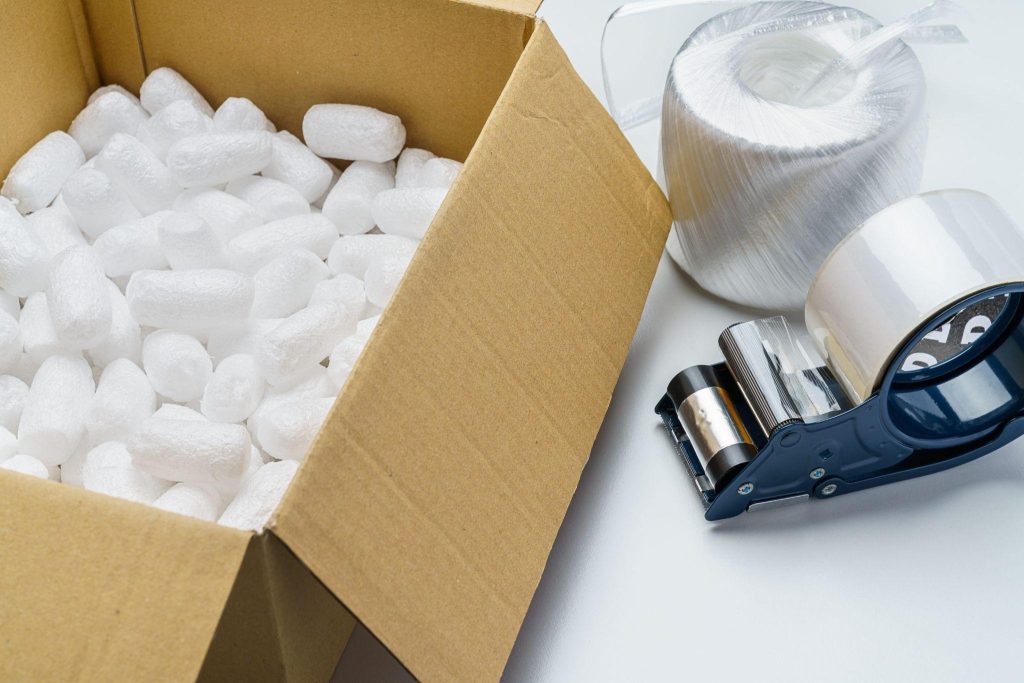
Moving house sounds simple at first — grab some boxes, tape them up, and load everything into a truck. But most people quickly realise there’s more to it than that. One weak box can split open in the driveway, and one badly wrapped plate can break before it even reaches the new home.
Packing materials are meant to protect your belongings, but they only work properly when used safely and correctly. A few smart habits can help prevent damaged furniture, broken valuables, and unnecessary stress on moving day.
Choose the Right Boxes
Not all cardboard boxes are strong enough for moving. Old supermarket boxes or cartons that have already been reused several times can easily collapse once heavy items are packed inside.
Books, kitchen appliances, and tools should always go into smaller, sturdy boxes. Lighter items like pillows, blankets, and clothes can safely go into larger boxes without becoming too heavy to carry.
If a box feels difficult to lift before you even seal it, it’s probably overloaded.
Don’t Use Too Much Tape
Many people think extra tape makes a box safer, but using endless layers can actually make things harder to handle and open later. Poor-quality tape can also peel away during the move.
Use strong packing tape and seal the bottom seams properly before packing anything inside. For heavier boxes, reinforce the base with one extra strip across the middle.
Spending a little more on decent tape often saves trouble later.
Wrap Fragile Items Carefully
Bubble wrap is useful, but rushing through the wrapping process usually leads to broken items. Plates stacked together without padding can chip easily, while glasses packed too tightly may crack during transport.
Wrap fragile items individually and use towels, paper, or blankets to fill empty spaces inside the box. This helps stop things from shifting around while the truck is moving.
One family in Cairns packed wine glasses tightly into a single box without enough padding. The outside looked secure, but nearly every glass cracked during the drive.
Use Plastic Wrap Properly
Plastic wrap is great for securing drawers, cords, and loose furniture parts, but it can also become slippery if overused. Wrapping too much around furniture can make items harder to grip safely while carrying them.
Keep the wrap neat and tight, and avoid leaving long pieces trailing on the floor where someone could trip.
The goal is to stabilise items, not create extra hazards.
Label Everything Clearly
Poor labelling causes more problems than people realise. Someone may try lifting a box expecting light bedding, only to discover it’s packed with books.
Write labels clearly on several sides of each box. Simple labels like “Fragile,” “Heavy,” or “Kitchen” make unloading much easier and safer.
This becomes even more important when using temporary storage or container storage solutions during longer moves, where boxes may be stacked and moved several times before reaching the final destination.
Protect Yourself While Lifting
Packing safely isn’t only about protecting belongings — it’s also about protecting yourself.
Instead of filling huge boxes with heavy items, spread the weight across several smaller boxes. Bend your knees while lifting and keep boxes close to your body to reduce strain on your back and shoulders.
Many moving injuries happen simply because people rush or try lifting more than they should.
Keep Hazardous Items Separate
Some household items should never be packed loosely into regular moving boxes. Cleaning chemicals, batteries, paint, and sharp tools can leak or cause damage if packed carelessly.
Place these items in sealed containers and clearly label them. Sharp objects should also be wrapped securely so they cannot poke through the cardboard.
If you’re unsure whether something is safe to transport, ask your moving company before moving day.
Fill Empty Spaces Inside Boxes
Half-empty boxes can cause problems because items shift around during transport. Movement inside the box often causes more damage than bumps on the road.
Use packing paper, towels, or soft clothing to fill empty gaps and keep everything stable without overpacking.
A tightly packed box is usually a safer box.
Watch Out for Heat and Moisture
In places like Cairns, humidity and heat can affect packing materials quickly. Weak cardboard softens easily when exposed to moisture, especially if boxes are left outside overnight.
Keep boxes dry whenever possible and avoid storing them directly on damp surfaces. Electronics, paperwork, and delicate items should stay protected from heat and moisture during the move.
Safer Packing Makes Moving Easier
A smoother move usually comes down to preparation and careful packing. Strong boxes, proper wrapping, safe lifting, and clear labels all help reduce stress once moving day arrives.
Professional movers can also make a big difference, especially when handling fragile items or helping families while removalists store furniture during the transition between homes.
For families planning a move in Far North Queensland, Butler’s Removals & Storage helps make the process safer, easier, and far less stressful from start to finish.